
Porcelain Veneers in Gilroy: How They Can Transform the Look of Your Smile
Small imperfections in your teeth can change the overall appearance of your smile. Stains that do not respond well to whitening, small chips, uneven edges, or teeth that look slightly misshapen can all affect how your smile looks. Porcelain veneers are one cosmetic dentistry option used to improve the appearance of these concerns. Veneers are […]
Small imperfections in your teeth can change the overall appearance of your smile. Stains that do not respond well to whitening, small chips, uneven edges, or teeth that look slightly misshapen can all affect how your smile looks.
Porcelain veneers are one cosmetic dentistry option used to improve the appearance of these concerns. Veneers are thin, tooth-colored coverings placed over the visible surface of teeth to create a more even and consistent appearance.
If you are considering porcelain veneers in Gilroy, understanding what they can change, how the process works, and what to expect can help you decide whether they are right for your smile.
What Are Porcelain Veneers?
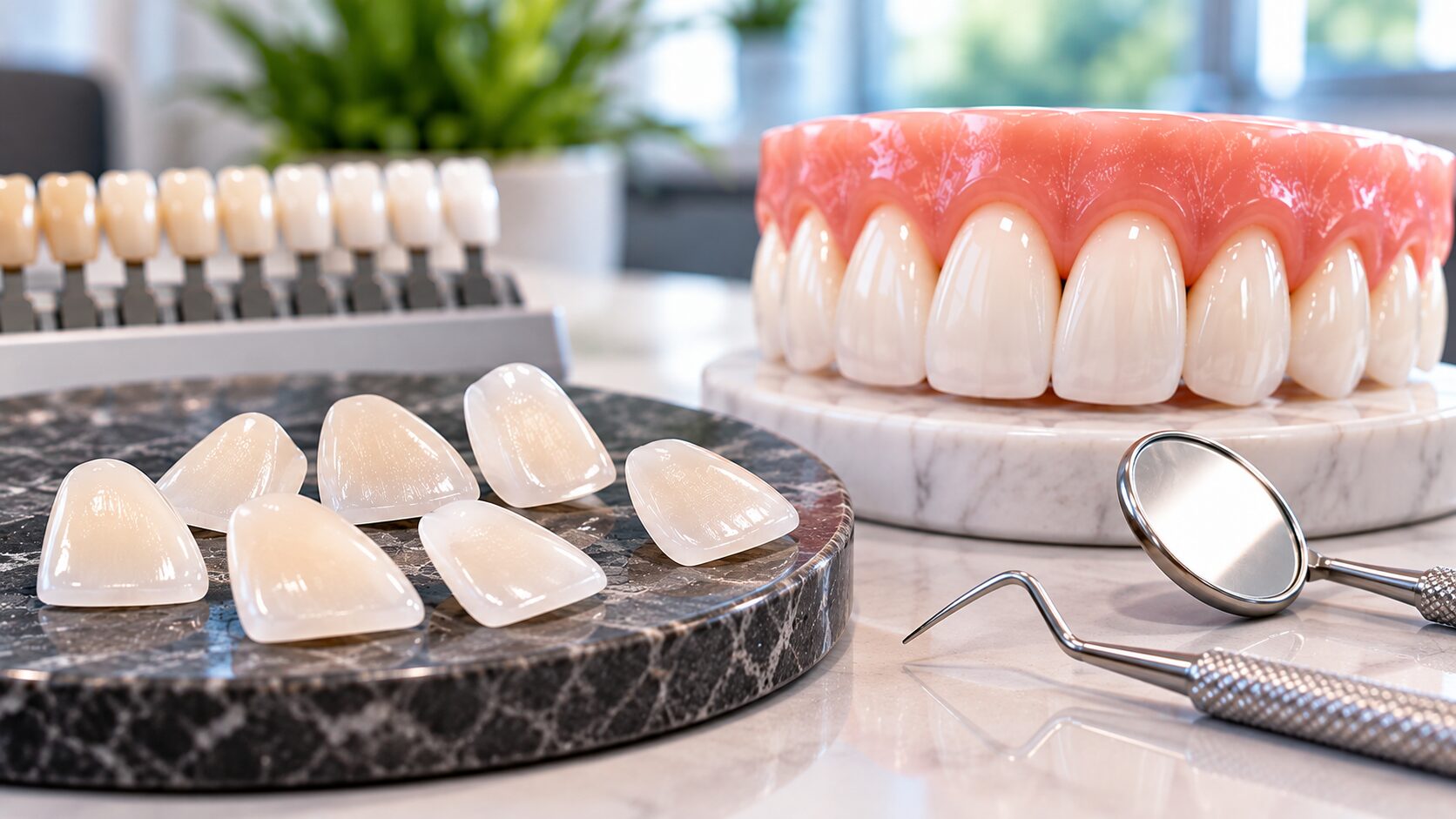
Porcelain veneers are thin, custom-made shells designed to cover the front surface of a tooth. They are made to match the shape, size, and color planned for your smile.
Because veneers cover the visible portion of a tooth, they can be used to address several cosmetic concerns at the same time. Depending on your individual situation, veneers may help improve the appearance of:
- Stained or discolored teeth
- Small chips
- Uneven tooth edges
- Slightly misshapen teeth
- Teeth that appear uneven in size
- Minor cosmetic irregularities
- Gaps between certain teeth
The goal is not simply to make teeth look whiter. The shape, proportions, color, and overall appearance of the smile are also considered when veneers are planned.
How Can Veneers Change the Look of Your Smile?
One reason people consider veneers is that they can address several visible imperfections together.
For example, someone may have teeth that are healthy but have a combination of discoloration, small chips, and uneven edges. Treating each concern separately may not produce the consistent appearance they are looking for.
Veneers can provide a more uniform appearance across the teeth being treated.
Improving Tooth Color
Some types of discoloration can be difficult to improve with traditional whitening treatments. Porcelain veneers can change the visible color of the treated teeth while also addressing other cosmetic concerns.
People searching for white veneer teeth should remember that the final shade should be selected carefully. A natural-looking smile usually depends on more than choosing the whitest possible shade.
Smoothing Chipped or Uneven Edges
Small chips and uneven edges can make teeth look irregular. Veneers can be designed with a more consistent shape and edge, helping create a balanced appearance.
Improving the Appearance of Misshapen Teeth
Teeth that are unusually narrow, short, worn, or irregularly shaped can affect the proportions of a smile. Veneers can change the visible shape of these teeth within the limits of the treatment plan.
Creating a More Consistent Smile
When several teeth have different shades, shapes, or proportions, the smile can look uneven. A carefully planned veneer treatment can help create greater consistency among the teeth being treated.
Porcelain Veneers vs. Teeth Whitening
Veneers and professional teeth whitening are both cosmetic treatments, but they address different concerns.
Teeth whitening primarily focuses on changing the color of natural teeth. It does not change the shape of a tooth or repair a chip.
Porcelain veneers can change the visible color while also altering the appearance of tooth shape, size, and certain cosmetic imperfections.
If your primary concern is staining, whitening may be worth discussing first. If you have discoloration combined with chips, uneven edges, or misshapen teeth, veneers may offer a different approach.
A dental evaluation can help determine which option makes sense for your teeth and goals.
What Is the Porcelain Veneer Process Like?
The exact process can vary depending on the number of teeth being treated and your individual smile plan. In general, the process involves several stages.
1. Consultation and Smile Evaluation
The first step is discussing what you would like to change about your smile. Your dentist can examine your teeth and gums and determine whether veneers are appropriate.
Your dentist may also evaluate your bite, tooth structure, existing restorations, and overall oral health.
2. Treatment Planning
Once veneers are considered appropriate, the shape, color, size, and number of veneers can be planned.
This stage is important because the final result depends on how the veneers work together as a smile rather than how one individual tooth looks.
3. Tooth Preparation
Depending on the treatment plan, a small amount of enamel may need to be removed from the front of the tooth to make room for the veneer.
Your dentist will explain what preparation is needed before treatment begins.
4. Veneer Placement
The porcelain veneers are checked for fit and appearance before they are bonded to the teeth.
Once everything is approved, the veneers are permanently attached according to the treatment plan.
5. Final Evaluation
After placement, your dentist can check your bite and the overall appearance of the veneers. Any necessary adjustments can be made to ensure the restorations function comfortably.
Are Porcelain Veneers Right for Everyone?
Veneers are a cosmetic treatment, so they are not automatically the right choice for every patient.
Your dentist may consider factors such as:
- The health of your teeth and gums
- The amount of available tooth structure
- Your bite
- Existing dental restorations
- The cosmetic concerns you want to address
- Your expectations for the result
- Your ability to maintain good oral hygiene
If you have untreated cavities, gum disease, or another dental problem, those issues may need to be addressed before cosmetic treatment.
How Long Do Porcelain Veneers Last?
Porcelain veneers are designed to be durable, but they are not indestructible. Their lifespan can depend on factors such as oral hygiene, bite forces, daily habits, and how well the veneers are maintained.
Avoid using your teeth to open packages or bite hard objects. If you grind or clench your teeth, talk with your dentist about whether additional protection may be appropriate.
Regular dental visits also allow your dentist to monitor your veneers and the natural teeth underneath them.
How Do You Care for Veneers?
Caring for veneers is similar to maintaining your natural teeth.
- Brush your teeth regularly.
- Clean between your teeth every day.
- Attend recommended dental checkups.
- Avoid chewing on very hard objects.
- Do not use your teeth as tools.
- Follow your dentist’s specific care instructions.
Although veneers cover part of the tooth, the natural tooth underneath still needs proper care.
Choosing Porcelain Veneers in Gilroy
If you are considering porcelain veneers in Gilroy, start with a consultation rather than choosing a treatment based only on photos or a specific shade of white.
Ask about the treatment plan, how many teeth may need veneers, what preparation is involved, and what type of result is realistic for your smile.
It is also important to discuss your expectations. A smile can look bright and polished without looking unnaturally white or overly uniform.
The best treatment plan is one that considers your natural teeth, facial features, bite, and overall smile rather than focusing on one cosmetic detail.
Frequently Asked Questions About Veneers
Can veneers fix stained teeth?
Porcelain veneers can improve the visible appearance of teeth with certain types of discoloration. Your dentist can determine whether veneers or professional whitening would be more appropriate for your specific type of staining.
Can veneers fix chipped teeth?
Veneers may be used to improve the appearance of certain chipped teeth. The appropriate treatment depends on the size and location of the chip and the condition of the tooth.
Are white veneer teeth supposed to look completely white?
Not necessarily. The ideal shade depends on your overall smile and the appearance you want to achieve. A natural-looking result usually involves selecting a shade that complements the rest of your smile.
Do veneers change the shape of teeth?
Yes. One of the cosmetic benefits of veneers is that they can change the visible shape and proportions of treated teeth.
Do veneers require special cleaning?
Veneers still require regular brushing and cleaning between the teeth. Maintaining the health of your gums and natural teeth is an important part of caring for a smile with veneers.
How do I know if veneers are right for me?
A dental consultation is the best way to determine whether veneers are appropriate. Your dentist can evaluate your teeth, gums, bite, and cosmetic goals before recommending treatment.
Porcelain veneers can be a useful cosmetic option for people who want to improve the appearance of stained, chipped, uneven, or misshapen teeth. Because veneers can address color and shape at the same time, they can create a more consistent appearance across the teeth being treated.
If you are considering porcelain veneers in Gilroy, a consultation can help you understand your options, the preparation involved, and what type of result is realistic for your smile.
Keep Reading


