
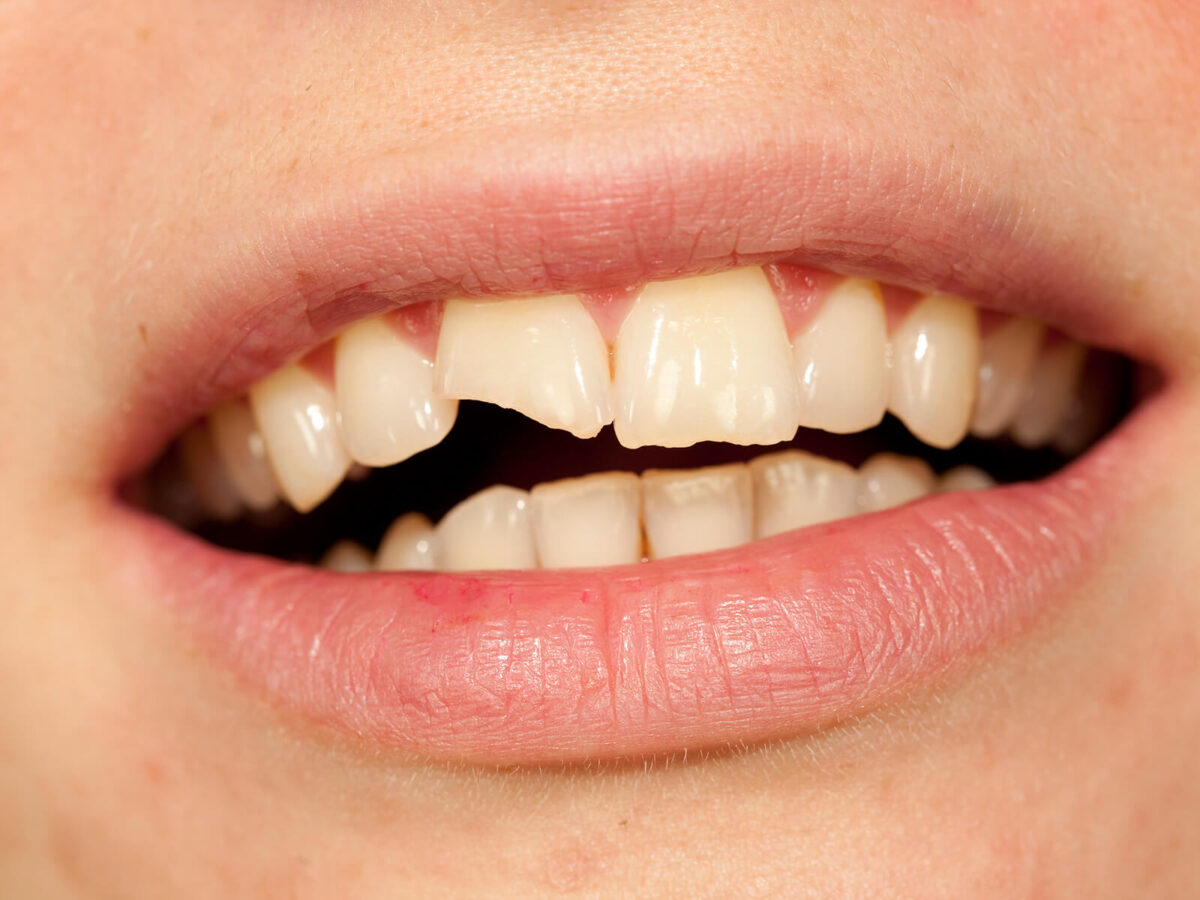
Your Guide to the Different Types of Cracked Teeth in Gilroy, CA
Noticing a thin line on your tooth or a sudden twinge of pain when you bite down can be unsettling. Not every mark on a tooth means trouble, but some do require prompt attention. Understanding the difference between a harmless craze line and a genuine crack can help you decide when it is time to […]
Noticing a thin line on your tooth or a sudden twinge of pain when you bite down can be unsettling. Not every mark on a tooth means trouble, but some do require prompt attention. Understanding the difference between a harmless craze line and a genuine crack can help you decide when it is time to call a dentist. At Sunny Smiles Dentistry, ourdentist in Gilroy helps patients throughout Gilroy understand what is happening with their teeth and what steps, if any, are needed to protect them.
This guide walks through the most common types of cracked teeth, what causes them, and how to tell whether what you are seeing is a cosmetic quirk or a dental concern.
Why Do Teeth Crack?
Teeth are strong, but they are not indestructible. Enamel, the hard outer layer of a tooth, can develop small cracks over time from everyday wear, biting force, or sudden trauma. Common causes include:
- Chewing on hard foods such as ice, nuts, or hard candy
- Grinding or clenching the teeth, especially during sleep
- Large fillings that weaken the remaining tooth structure
- Sudden temperature changes, such as eating something hot and then drinking something cold
- A blow to the mouth from a fall, sports injury, or accident
- Natural aging, since enamel becomes more brittle over the years
Most people develop some form of surface cracking in their teeth as they get older. The key is knowing which type of crack you are dealing with.
Common Types of Cracked Teeth
Not all cracks behave the same way, and they are not all treated the same way either. Here are the main categories a dentist will look for during an exam.
Craze Lines
Craze lines are thin, shallow lines that appear only in the enamel. They do not extend into the deeper layers of the tooth and typically do not cause pain or sensitivity. Many adults have craze lines in their front teeth simply from years of normal biting and chewing. If you have noticed teeth cracking lines that do not hurt, there is a good chance they are craze lines rather than a structural problem.
Fractured Cusp
A fractured cusp usually occurs around a filling, where a piece of the chewing surface breaks off. This type of crack often does not affect the nerve of the tooth, so pain is usually mild or absent. It is more common in back teeth, which absorb the most chewing pressure.
Cracked Tooth
A cracked tooth extends from the chewing surface downward, sometimes reaching the gum line or below it. This type of crack can cause sharp pain when biting down, particularly when releasing the bite, and sensitivity to hot or cold. Left untreated, a crack can worsen and eventually put the health of the tooth at risk.
Split Tooth
A split tooth is the result of a crack that has progressed to the point where the tooth separates into distinct segments. This is a more advanced stage of tooth damage, and the entire tooth usually cannot be saved as a single unit. Treatment depends on how much of the tooth structure remains intact.
Vertical Root Fracture
This type of crack begins below the gum line and moves upward toward the chewing surface. Vertical root fractures are harder to detect because they may not show obvious symptoms right away. They are often found through X-rays during a routine dental visit, which is one reason regular checkups matter even when nothing seems wrong.
Cracked Tooth Types at a Glance
| Type of Crack | Location | Typical Symptoms | General Treatment Approach |
|---|---|---|---|
| Craze Lines | Enamel surface only | Usually none | Monitoring, cosmetic bonding if desired |
| Fractured Cusp | Near an existing filling | Mild discomfort or none | Filling or crown |
| Cracked Tooth | Chewing surface toward gum line | Pain when biting, sensitivity | Crown, root canal if nerve is affected |
| Split Tooth | Full separation of tooth segments | Noticeable pain, visible separation | Extraction or partial tooth removal |
| Vertical Root Fracture | Below the gum line upward | Often minimal until infection develops | Extraction in most cases |
Craze Lines vs Cracked Tooth: What’s the Difference?
This is one of the most common questions patients bring to our Gilroy office. The comparison of craze lines vs cracked tooth comes down to depth and symptoms.
Craze lines sit entirely within the enamel. They are typically gray lines in teeth that show up under certain lighting, and they do not cause pain because they never reach the nerve. A cracked tooth, on the other hand, extends deeper into the tooth structure and can reach the dentin or even the pulp, which houses the nerve. This is why a cracked tooth often comes with pain, especially when chewing, while craze lines are usually a cosmetic observation rather than a health concern.
If you are unsure which one you are dealing with, a dental exam is the most reliable way to find out. Trying to self-diagnose based on appearance alone can lead to either unnecessary worry or a missed problem.
Signs Your Teeth May Be Cracked
It is not always obvious when a tooth has a genuine crack rather than a harmless line. Some signs that suggest it is time for an evaluation include:
- Pain when biting down or when releasing a bite
- Sensitivity to hot, cold, or sweet foods that comes and goes
- Discomfort that is difficult to pinpoint to one specific tooth
- Swelling of the gum near a particular tooth
- A visible line or gap that seems to be getting wider over time
- Teeth cracking at the gum line, which can sometimes indicate the crack has extended below the visible crown of the tooth
If any of these symptoms sound familiar, it is worth scheduling an appointment rather than waiting to see if the discomfort resolves on its own.
What Causes Gray Lines and Crack Lines in Teeth?
Gray lines in teeth are frequently craze lines, but they can also result from old fillings, particularly amalgam fillings, showing through the enamel. In some cases, a grayish line can indicate a crack that has darkened due to staining from food, beverages, or bacteria that have made their way into the crack over time. This staining is one reason a crack that once seemed minor can appear more prominent months or years later.
Crack lines that appear suddenly, especially after biting something hard or experiencing an injury, are more likely to represent an actual structural crack rather than a cosmetic craze line.
Are Cracks in Teeth Normal?
To some degree, yes. Cracks in teeth are normal in the sense that most adults develop craze lines simply from years of chewing, and this does not mean something is wrong. However, not all cracks are equal, and cracks in front teeth or back teeth that come with pain, sensitivity, or visible changes should never be ignored. The distinction between a normal part of aging enamel and a developing dental problem is exactly what a dental exam is designed to clarify.
When to See a Family Dentist in Gilroy
Even if a crack does not seem serious, it is worth having it checked, particularly if you experience any pain or notice the crack changing over time. A family dentist in Gilroy can examine the tooth, take X-rays if needed, and determine whether the crack is purely cosmetic or something that requires treatment to prevent further damage.
It is also worth mentioning that cracked gums, sometimes described by patients as crack gums, are a separate issue from cracked teeth and may point to gum recession, irritation, or other periodontal concerns. If you are noticing changes in both your teeth and your gums, it is best to have both evaluated together.
How Sunny Smiles Dentistry Diagnoses and Treats Cracked Teeth
At Sunny Smiles Dentistry, our approach starts with a thorough exam that includes a visual inspection, bite testing, and X-rays when appropriate. This helps us determine exactly what type of crack is present and how deep it goes. Depending on the findings, treatment options may include:
- Dental bonding for minor craze lines that patients want addressed cosmetically
- A crown to protect and stabilize a tooth with a fractured cusp or cracked tooth
- Root canal therapy if the crack has reached the nerve of the tooth
- Extraction in cases where a split tooth or vertical root fracture cannot be saved, with dental implants available as a replacement option if needed
We take the time to explain what we find during your exam so you understand the reasoning behind any recommended treatment. As a family dentist serving Gilroy, we see patients of all ages and tailor our recommendations to each person’s specific situation.
Preventing Cracked Teeth
While not every crack can be prevented, a few habits can reduce your risk:
- Avoid chewing on ice, hard candy, popcorn kernels, or other hard objects
- Wear a nightguard if you grind your teeth while sleeping
- Wear a mouthguard during sports or other physical activities
- Keep up with routine dental checkups so small issues can be caught early
- Avoid using your teeth as tools to open packages or bite off tags
Conclusion
Cracks in teeth are common, but understanding the difference between a harmless craze line and a genuine cracked tooth makes a real difference in protecting your long-term oral health. If you have noticed gray lines, sensitivity, or discomfort in any of your teeth, our team at Sunny Smiles Dentistry is here to help you get a clear answer and, if needed, a treatment plan that fits your situation.Contact us today to schedule an exam with our Gilroy dental team.
Frequently Asked Questions
1. What is a craze line on a tooth?
A craze line is a shallow crack that exists only within the enamel of a tooth. It does not extend into the deeper tooth structure, does not usually cause pain, and is considered a common cosmetic feature rather than a dental problem.
2. How do I know if my crack in enamel is serious?
If the crack causes pain when chewing, sensitivity to temperature, or visible changes over time, it likely extends beyond the enamel and should be evaluated by a dentist. Painless lines that have been present for years are more likely to be craze lines.
3. Can teeth crack at the gum line without warning?
Yes, some cracks develop gradually and are not noticed until they reach the gum line. This is why regular dental exams, which can catch cracks in their earlier stages, are important even in the absence of symptoms.
4. Are cracks in teeth normal as people age?
Craze lines are a common and generally normal part of aging enamel. Deeper cracks, however, are not simply a normal part of getting older and should be assessed to determine whether treatment is needed.
5. Do cracked front teeth need to be treated differently than back teeth?
Front teeth and back teeth can both develop cracks, though back teeth experience more chewing force and are more prone to fractures. Treatment depends on the depth and location of the crack rather than which teeth are affected.
6. When should I schedule a dental visit for a cracked tooth?
If you notice pain, sensitivity, swelling, or a crack that appears to be changing, it is best to schedule a visit as soon as possible. Waiting can allow a minor crack to progress into a more serious issue.
Keep Reading


