
7 Signs You May Need a Dental Crown: Protect Your Smile Before It’s Too Late
A damaged tooth doesn’t always need to be extracted. In many cases, a dental crown can restore its strength, function, and appearance while protecting it from further damage. Whether you’ve cracked a tooth, recently had a root canal, or have a large filling that’s beginning to fail, a dental crown can help preserve your natural […]
A damaged tooth doesn’t always need to be extracted. In many cases, a dental crown can restore its strength, function, and appearance while protecting it from further damage.
Whether you’ve cracked a tooth, recently had a root canal, or have a large filling that’s beginning to fail, a dental crown can help preserve your natural tooth and keep your smile healthy.
If you’re wondering whether it’s time to visit a dentist, here are seven common signs that you may benefit from a dental crown.
What Is a Dental Crown?
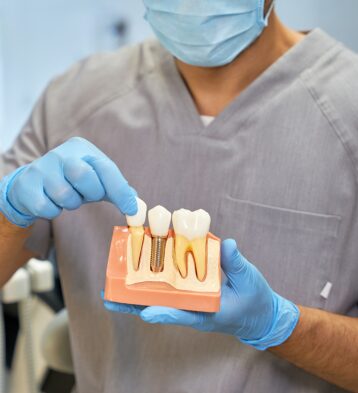
A dental crown is a custom-made cap that completely covers a damaged or weakened tooth. It restores the tooth’s natural shape, size, and strength while blending seamlessly with your surrounding teeth.
Crowns are commonly made from porcelain, ceramic, zirconia, or porcelain fused to metal, depending on your dental needs and the location of the tooth.
1. You Have a Cracked or Chipped Tooth
A small chip may not seem serious, but cracks can spread over time, especially when chewing hard foods.
A dental crown surrounds the entire tooth, helping prevent the crack from worsening and reducing the risk of tooth loss.
2. Your Tooth Has a Large Filling
Large fillings can weaken the remaining natural tooth structure.
As fillings age, they may begin to leak or fracture, leaving the tooth vulnerable. A dental crown provides additional support and protects the tooth from breaking.
3. You’ve Had a Root Canal
After root canal treatment, the inside of the tooth has been cleaned and sealed, but the tooth itself often becomes more brittle.
A crown reinforces the tooth, allowing you to chew comfortably while protecting it from fractures.
4. Your Tooth Is Severely Worn Down
Grinding your teeth (bruxism), acid erosion, or years of normal wear can gradually reduce tooth structure.
If your teeth appear shorter, flatter, or more sensitive than before, a dental crown may restore both function and appearance.
5. You Experience Pain When Chewing
Pain while biting down may indicate:
- A cracked tooth
- A weakened filling
- Significant decay
- Structural damage
A comprehensive dental examination can determine the cause and whether a crown is the best solution.
6. Your Tooth Has Extensive Decay
When a cavity becomes too large for a filling, a crown may be recommended.
Instead of removing the tooth, your dentist can remove the decay and place a crown to restore its strength and protect it for years to come.
7. You’re Unhappy With the Appearance of a Damaged Tooth
Dental crowns aren’t just restorative—they’re also cosmetic.
If you have a tooth that is:
- Discolored
- Misshapen
- Uneven
- Severely worn
A porcelain crown can dramatically improve your smile while maintaining a natural appearance.
Benefits of Dental Crowns
Modern dental crowns offer many advantages, including:
- Protecting weakened teeth
- Restoring normal chewing ability
- Improving appearance
- Preventing further damage
- Supporting teeth after root canal treatment
- Long-lasting durability with proper care
With good oral hygiene and regular dental visits, many crowns last 10–15 years or longer.
How Long Does the Procedure Take?
Most dental crowns require two appointments.
First Visit
Your dentist will:
- Examine the tooth
- Remove damaged or decayed areas
- Shape the tooth
- Take digital impressions
- Place a temporary crown
Second Visit
Once your permanent crown is ready, it will be carefully fitted, adjusted for comfort, and permanently bonded into place.
Caring for Your Dental Crown
To help your crown last as long as possible:
- Brush twice daily with fluoride toothpaste.
- Floss around the crown every day.
- Avoid chewing ice or hard objects.
- Wear a night guard if you grind your teeth.
- Visit your dentist regularly for cleanings and exams.
Proper maintenance protects both your crown and the natural tooth underneath.
Why Choose Sunny Smiles Dentistry?
At Sunny Smiles Dentistry, we focus on preserving your natural teeth whenever possible. Using modern materials and personalized treatment plans, our team creates dental crowns that look natural, fit comfortably, and restore lasting function.
Whether you need a crown after a root canal or to repair a damaged tooth, we are committed to making your treatment comfortable and helping you achieve a healthy, confident smile.
Schedule Your Consultation Today
If you have a cracked tooth, persistent tooth pain, or an old filling that’s beginning to fail, don’t wait for the problem to worsen.
The experienced team at Sunny Smiles Dentistry can evaluate your oral health and recommend the most appropriate treatment. A custom dental crown may be the ideal solution to restore your smile, protect your natural tooth, and help you enjoy lasting oral health.
Schedule your consultation today and take the first step toward a stronger, healthier smile.
Keep Reading


